



Is There Such a Thing as a "Miracle Food"? A Comparison of Quinoa, Bulgur, Chia, and Flaxseed
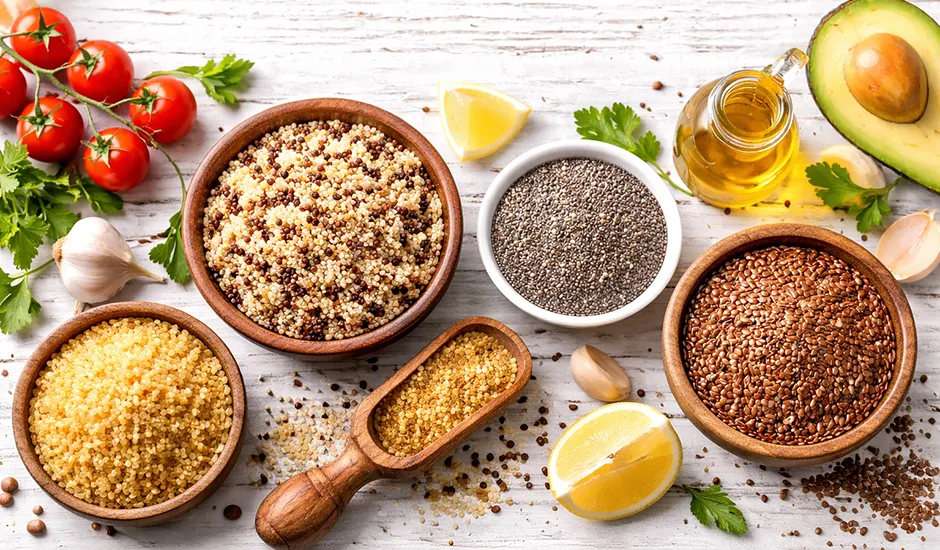
In recent years, foods are expected to provide not only nutrition but also positive health benefits. The relationship between diet and many common diseases—ranging from diabetes to cardiovascular diseases, and from bone and joint disorders to cancer—is being investigated through scientific studies, and the findings are being shared with the public.
During this process, certain products—often referred to as “miracle foods”—are gaining prominence; however, experts emphasize that extraordinary results should not be expected from a single food. Just as no single food is solely to blame, no single food can work miracles on its own.
The Interplay of Diet, Genetics, and Lifestyle
As the importance of considering diet, genetic makeup, and lifestyle together has become increasingly recognized, the search for a single food that can fully address health goals has also intensified. This trend has led to certain foods—particularly those that have gained attention in recent years—being touted for their “miraculous” properties.
From time to time, certain foods gain popularity and are quickly associated with extraordinary benefits by many people. However, the key to healthy eating is to consume each food by considering its nutritional content, benefits, and portion control. Therefore, rather than expecting miracles from foods, a healthier approach is to thoroughly understand the nutritional value of popular products and compare them with traditional foods.
Quinoa or bulgur?
Bulgur is a food made from wheat and belongs to the grain group. Quinoa, on the other hand, is a plant seed belonging to the Amaranthaceae family; although it is essentially a vegetable, it is classified as a grain-like food. Because it is not a grain, it does not contain gluten, which makes it a beneficial option for individuals with gluten sensitivity.
In terms of nutritional value, a small bowl of cooked quinoa contains approximately 222 calories, while the same amount of cooked bulgur contains approximately 122 calories. Quinoa contains a higher amount of higher-quality protein compared to bulgur. It has a balanced amino acid profile, particularly in terms of essential amino acids.
Although bulgur is somewhat limited in terms of protein quality, this deficiency is naturally compensated for in traditional cuisine by consuming it alongside legumes. This combination helps ensure a balanced profile of essential amino acids.
Quinoa and bulgur share similar characteristics in terms of fiber content and glycemic index. For this reason, they are among the foods that can be included in meal plans with controlled portions as part of efforts to combat diabetes, obesity, and cardiovascular disease.
Chia Seeds or Flaxseeds?
Chia seeds and flaxseeds are two different types of seeds that stand out for their high nutritional value. Both contain a good amount of protein and omega-3 fatty acids. However, flaxseeds are richer in these two nutrients.
Chia seeds, on the other hand, are lower in calories and stand out for their high fiber content. Studies have shown that consuming 1–2 tablespoons of flaxseeds per day may help lower fasting blood sugar levels. Similarly, there is evidence suggesting that chia seeds may also contribute to blood sugar control and help reduce insulin resistance.
In terms of fiber composition, approximately 40% of the fiber in flaxseed is soluble fiber, whereas in chia seeds, this accounts for only about 5% of the total fiber. For this reason, flaxseed may be slightly more effective than chia seeds in promoting a feeling of fullness and aiding in appetite control.
How Can It Be Used in Your Daily Diet?
Both chia seeds and flaxseeds can be easily incorporated into your daily diet. 1–2 tablespoons a day;
-
Can be sprinkled on yogurt
-
Can be added to smoothies
-
It can be used in oatmeal and baked goods
-
It can thicken sauces
-
It can be used as a binder in place of eggs in many recipes
There Are No Miracle Foods, Just Balanced Nutrition
Instead of expecting miracles from a single food, the key to good health lies in consuming different food groups in a balanced and mindful way. Quinoa, bulgur, chia seeds, and flaxseeds can make valuable contributions to a healthy diet when consumed in the right amounts and in appropriate combinations.