



The Surgical Process: Preoperative, Postoperative, and Interventional Procedures
Surgical Procedure, Planning, and Recovery
Success in plastic surgery is not determined solely by skill in the operating room; it is shaped by meticulous planning before the procedure and proper post-operative care. At Egemed Hospitals, we manage our patients’ medical journeys in a transparent and safe manner.

1. Preoperative Evaluation and Planning
During the consultation phase, the patient’s medical history, chronic conditions, allergies, and medications (especially blood thinners) are thoroughly reviewed. Since smoking significantly impairs wound healing, patients are asked to quit at least two weeks before surgery. In cosmetic cases, medical photography is used to create a surgical plan tailored to the patient’s facial and body anatomy. The procedure begins after the anesthesiologist approves the blood test results and ECG.
2. Surgical and Minimally Invasive Procedures
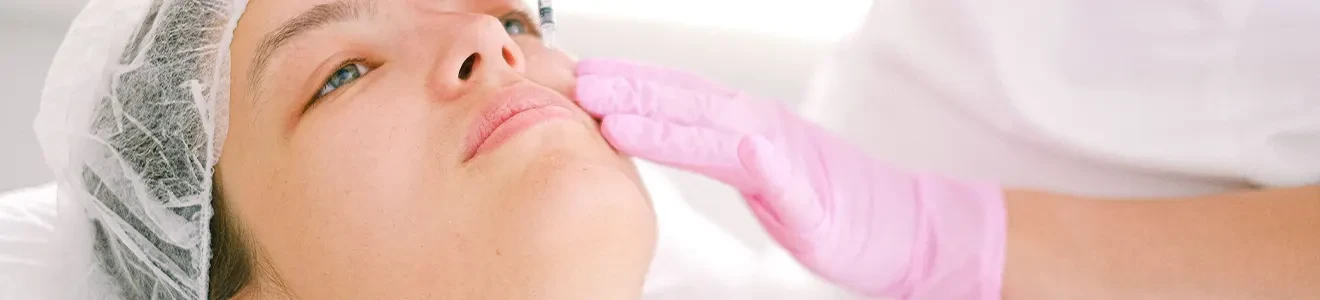
To enhance patient comfort, our hospital offers not only general surgical procedures but also non-surgical "minimally invasive (interventional)" treatments. Skin rejuvenation medical cosmetic procedures—such as wrinkle treatments (neurotoxin injections), hyaluronic acid-based lip, chin, and cheekbone fillers, PRP, and mesotherapy—are performed under sterile outpatient clinic conditions.
3. Recovery Process and Care Recommendations
Swelling and mild bruising following any surgical procedure are a natural part of tissue healing. The use of special medical compression garments after a tummy tuck and liposuction, as well as the use of a cast or splint after rhinoplasty, is guided by our specialists. It takes several weeks for swelling to subside, and it takes an average of 6 months to 1 year for the tissues and scars to fully reach their final (natural) form. During this process, sun protection, the use of scar-reducing creams, and regular follow-up visits with your doctor are critical to the success of your treatment.