



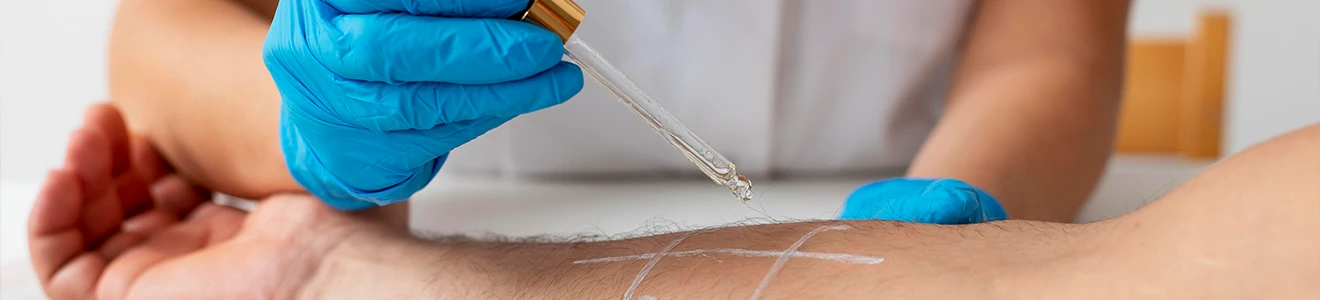
Treatment and Long-Term Follow-Up
A Step-by-Step Guide to Allergy Management: Treatment and Follow-Up Process
Allergic conditions and immune system disorders are not simple ailments that can be resolved with a single prescription; they require a long-term partnership and close monitoring. At Egemed Hospital, we work alongside our patients through the following stages on the journey from diagnosis to lasting recovery:
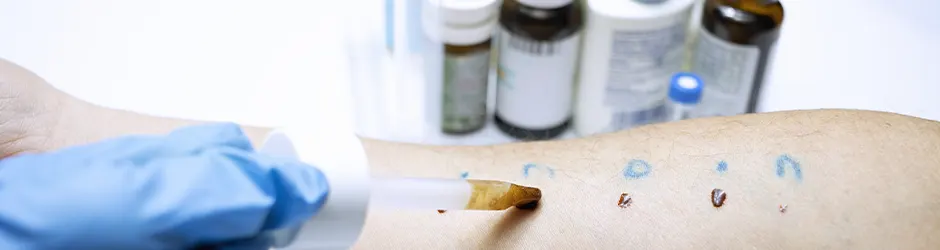
Safety and Environmental Control Training
This is the first and most important step to take once the responsible allergen (pollen, dust mites, cat/dog dander, or a specific food) has been identified based on test results. Our specialist physicians will provide you with comprehensive guidance on how to avoid this allergen in your daily life, how to maintain a clean bedroom, and how to adjust your diet.
Planning Medical (Pharmacological) Treatment
When preventive measures prove insufficient, pharmacological treatment is initiated to rapidly alleviate symptoms. New-generation, non-sedating antihistamine tablets, nasal sprays, asthma inhalers (bronchodilators), or specialized moisturizing/corticosteroid creams for eczema are prescribed specifically based on the patient’s age and the affected body parts.
Decision on Allergy Vaccine Treatment (Immunotherapy)
Medication only suppresses symptoms. If the patient’s quality of life remains low and the symptoms are consistent with allergy test results, treatment is switched to “allergen immunotherapy,” which offers a permanent solution. Administered via subcutaneous or sublingual methods, this treatment requires close clinical monitoring for 3 to 5 years.
Periodic Monitoring and Dose Adjustment
Patients undergoing immunotherapy at Egemed Hospital are called in for regular outpatient follow-up visits during seasonal changes, periods when symptoms flare up, and when respiratory function tests are required. When necessary, the treatment protocol is updated through joint consultations with specialists in Pulmonology, ENT, or Dermatology.