



Clinic Overview
Egemed Anesthesia and Resuscitation Unit: The Heart of Safe Surgery and Life
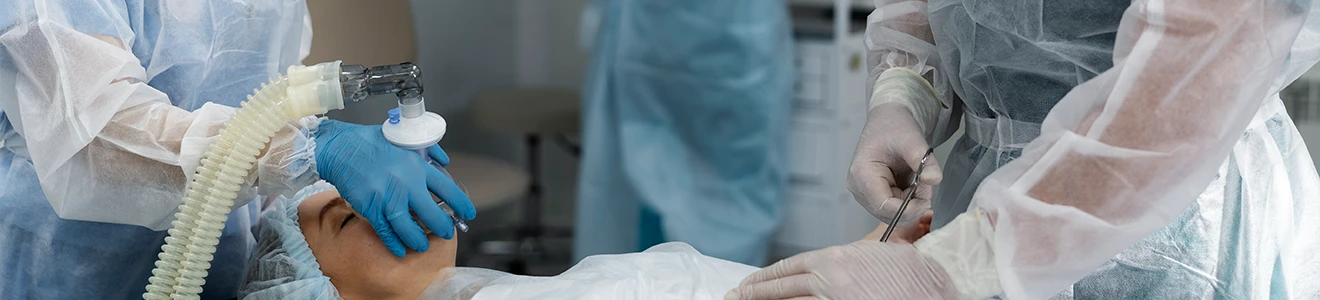
The greatest assurance in modern medicine and surgery lies in successful anesthesia management and a robust life support infrastructure. The Anesthesia and Resuscitation Unit at Egemed Hospitals is a comprehensive center equipped with state-of-the-art technology that safeguards all vital functions of our patients before, during, and after surgery.
Our modern unit, with a capacity of 27 beds, provides 24/7 uninterrupted healthcare services. The monitoring, care, and treatment of our patients are meticulously carried out by a large team consisting of specialized anesthesiologists and intensive care physicians, experienced anesthesiology technicians, and specially trained intensive care nurses.
What Is Anesthesia? It’s Not Just About “Putting Someone to Sleep”
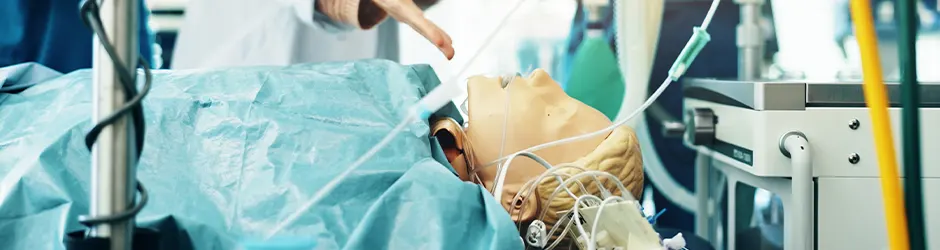
Commonly known among the general public as "being put to sleep" or "being anesthetized," anesthesia is actually the art of ensuring that the patient feels no pain during surgical procedures while simultaneously maintaining constant control over all vital functions (heart rate, blood pressure, respiration, blood oxygen levels, and body temperature). Our anesthesiologists will be by your side throughout the surgery, acting as your "guardian angel."
What Is Resuscitation? The Power of Revival and Intensive Care
Resuscitation, the other inseparable component of anesthesiology , literally means "to bring back to life." It refers to advanced life support procedures performed to restore the respiratory and circulatory systems to functional status after they have stopped or become inadequate for any reason (severe trauma, heart attack, shock).
Resuscitation is not limited to cardiopulmonary resuscitation (CPR) performed only in emergency situations. The monitoring and treatment of critically ill patients who face life-threatening risks following major surgeries, develop organ failure, or require prolonged mechanical ventilation are carried out by our specialist physicians in our modern 27-bed Resuscitation and Intensive Care Unit. Our state-of-the-art monitors and life support systems in this field are our greatest assurance in preventing complications and safeguarding the patient’s health.
A 3-Step Verification Process for Safe Surgery
At Egemed Hospitals, anesthesia management does not begin at the operating table and does not end when the surgery is over. Our process is meticulously planned in three main stages in accordance with international patient safety standards:
Preoperative Evaluation
Every surgical patient is evaluated at our Anesthesia Clinic prior to the surgery date. Blood tests, an EKG, and a chest X-ray are reviewed. The patient’s current medical conditions (high blood pressure, diabetes, heart disease), medications they take regularly, and history of previous surgeries are discussed. Based on this information, the most appropriate and safest anesthesia method is selected for the patient, and detailed information is provided.
Intraoperative Management
Once our patient is brought into the operating room, anesthesia is administered. While the surgeon focuses on the procedure, our anesthesia team monitors the patient’s oxygenation, heart rate, blood pressure, and fluid balance in real time using advanced monitors at the patient’s bedside. Vital functions are maintained by responding immediately to any potential changes.
Postoperative Recovery (Waking Up)
Once the surgical procedure is complete, the anesthetic medications are discontinued. The patient is taken to a specially designed Recovery Room. Here, the anesthesia team monitors the patient to ensure full regaining of consciousness, proper pain management (pain-free awakening protocols), and the alleviation of side effects such as nausea. Once the patient is fully stable, they are safely transferred to their own ward or, if necessary, to the intensive care unit.
Patient Safety and a Scientific Approach Are Our Top Priorities
Patient safety and comfort at every stage of surgical procedures form the foundation of modern anesthesiology practice. As the Anesthesia and Resuscitation Clinic at Egemed Hospitals, we apply the latest evidence-based methods offered by modern medicine. From preoperative preparation through to the end of the recovery process, our experienced team of specialists and state-of-the-art monitoring systems continuously monitor your vital functions, providing healthcare services that adhere to ethical principles and meet international quality standards.