



Patient Safety and Monitoring During Surgery
Patient Safety: What Do We Monitor During Surgery?
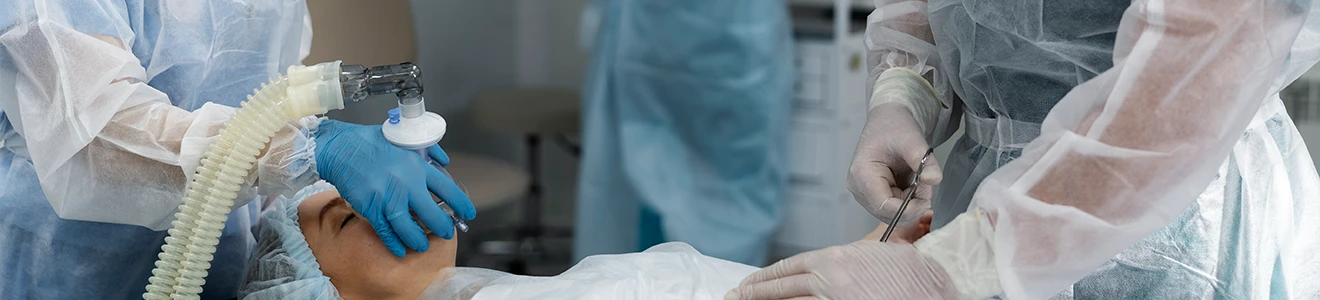
The golden rule of safe surgery is the continuous, second-by-second monitoring of the patient’s vital signs throughout the procedure. Egemed Hospitals’ operating rooms are equipped with world-class monitoring systems. While the surgical team is at work, our anesthesiologists and technicians focus exclusively on your vital signs.
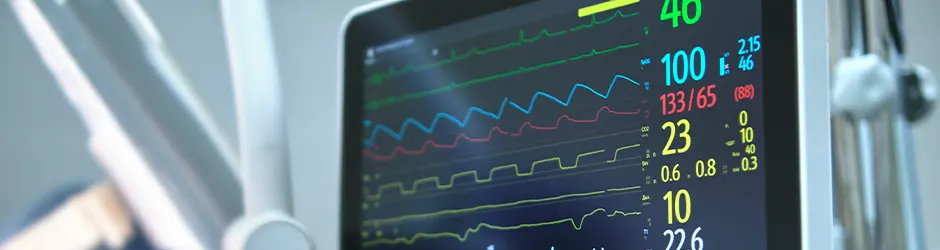
Our advanced monitoring criteria, which ensure your safety on the operating table, are as follows:
[ Cardiovascular Monitoring ]
A continuous ECG (electrocardiogram) is used to monitor your heart’s rhythm, heart rate, and contractile strength. In addition, your blood pressure is measured in real time using automatic blood pressure monitors or special sensors placed inside blood vessels during high-risk surgeries (invasive arterial monitoring).
[ Respiratory and Oxygen Monitoring ]
A "pulse oximeter" attached to your finger monitors the oxygen saturation in your blood. However, this alone is not sufficient; a device called a capnograph measures the amount of carbon dioxide in your exhaled breath to confirm that your lungs and the ventilator are functioning properly.
[ Measurement of Anesthesia Depth (BIS) ]
The answer to the question that patients fear most —“Will I wake up in the middle of surgery, or will I feel pain?”— lies in this technology. Special sensors attached to your forehead measure your brain’s electrical activity (EEG). The BIS (Bispectral Index) value is displayed on the screen in real time. This allows the anesthesiologist to mathematically determine exactly how deep your sleep is and adjust the medication dosage with pinpoint precision.
[ Body Temperature and Fluid Balance ]
The operating room is kept cool to reduce the risk of infection. Special heating blankets and warmed IV fluids are used to prevent your body temperature from dropping (hypothermia). Blood loss, urine output, and fluid balance are carefully monitored to prevent organ dehydration (shock).