



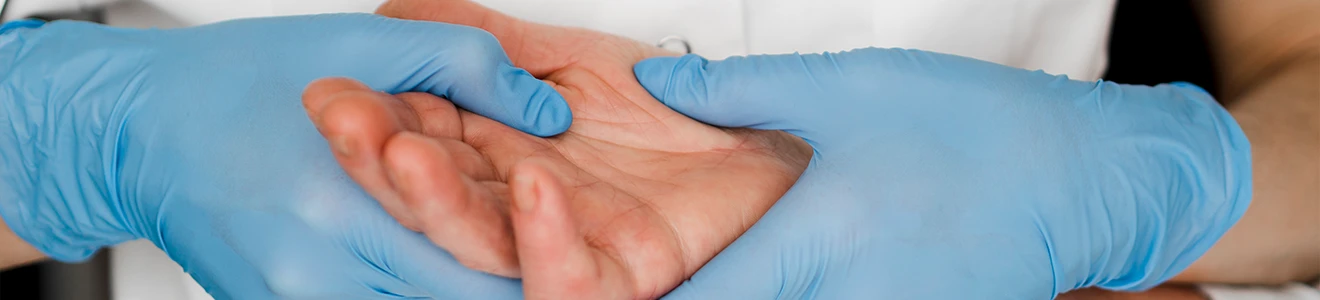
Carpal Tunnel Syndrome and Nerve Compression
Carpal Tunnel Syndrome and Peripheral Nerve Compressions
The nerves that supply our fingers and hands originate in the neck region, travel down the arm, and pass through narrow anatomical channels (tunnels) at the joints. When a nerve is compressed within these narrow tunnels due to anatomical or environmental factors, this condition is called Nerve Compression Syndrome (Entrapment Neuropathy). At our clinic, we specialize in the medical and surgical treatment of these conditions.

Carpal Tunnel Syndrome (Compression in the Wrist)
It is the compression of the median nerve as it passes through a narrow canal in the wrist. It is the most common type of nerve compression in the general population.
- Symptoms: Pain and numbness, especially at night, that wake the person from sleep and cause a need to shake the hands. Loss of sensation in the thumb, index finger, and middle finger. In advanced stages, weakness in the hand and dropping objects (such as glasses) from the hand.
- Causes: Repetitive wrist movements (keyboard/mouse use, knitting, carpentry), swelling during pregnancy, diabetes, or thyroid disorders.
Cubital Tunnel Syndrome (Elbow Compression)
It is the compression of the ulnar nerve as it passes through the canal on the inner side of the elbow.
- Symptoms: Numbness and tingling, especially in the ring finger and little finger. Increased numbness when the elbow is bent (such as while talking on the phone or sleeping).
Diagnosis and Surgical Release Procedure
A definitive diagnosis is made through a clinical examination and an EMG (electromyography) nerve test conducted in collaboration with the Neurology Clinic. In mild cases, treatment includes a wrist brace (splint), cortisone injections, and vitamin B supplements.
In cases where sleep is disrupted at night, muscle wasting has begun, and moderate to severe compression is detected on EMG, surgical intervention is planned. The procedure is typically performed under local anesthesia; through a small incision made in the palm or at the elbow, the thickened connective tissue (retinaculum) over the nerve is cut to relieve pressure on the nerve. The patient can be discharged the same day.