



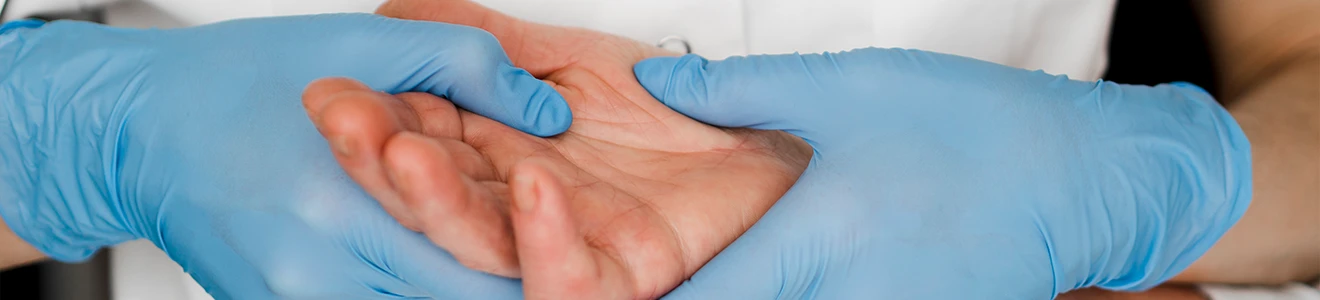
The Journey from Diagnosis to Recovery (Surgical Planning, Physical Therapy, and Preventive Recommendations)
From Diagnosis to Functional Recovery: The Surgical Process and Hand Therapy
At the Egemed Hospitals Hand Surgery Clinic, your medical journey begins the moment your condition is diagnosed and ends on the day you are discharged after fully regaining your hand’s original functions. Throughout this process, diagnosis, surgical planning, and physical therapy form an inseparable whole.

Diagnosis and Surgical Planning
X-rays are used to evaluate bone tissue, Magnetic Resonance Imaging (MRI) and ultrasound are used to assess soft tissue and tendon injuries, and EMG is used to evaluate nerve function. Once the decision to proceed with surgery is made, a plan is developed in consultation with the anesthesia team, and the patient is informed about the options—either regional anesthesia (axillary block) to numb only that specific area of the arm or general anesthesia.
Postoperative Physical Therapy (Hand Therapy)
The success of hand surgery depends 50% on the surgery itself and 50% on successful rehabilitation. After tendon and nerve repairs, it is essential that the sutured tissues do not tear, but at the same time, the joints must not stiffen. For this reason, in coordination with our hospital’s Physical Therapy and Rehabilitation specialists, a process of controlled passive and active movement exercises (Hand Therapy) is initiated.
Ergonomic Recommendations for Preserving Hand Function
There are simple yet effective measures we can take in our daily lives to protect the health of our hands and wrists:
• Office Ergonomics: Using a contoured mousepad to avoid keeping your wrists constantly bent upward (in extension) while using a keyboard and mouse reduces the risk of nerve compression.
• Protecting Joints: When lifting heavy objects, using the muscles of the palm and forearm—not just the fingers—to support the load reduces the strain on the joints.
• Vibrating Tools: Taking regular breaks or wearing protective gloves while using tools that produce constant vibration—such as drills, hammer drills, or sewing machines—helps prevent nerve damage (white finger syndrome).
• Stretching Exercises: When using a phone or tablet for long periods, frequently relaxing your hands and performing stretching exercises for your fingers and wrists helps maintain tendon health.