



This content takes an average of 5 minutes
Uterine Disorders, Cysts, Fibroids, and Laparoscopic Surgery
Current Surgical Approaches to Cysts, Fibroids, and Uterine Disorders
Benign or malignant masses that develop in the female reproductive organs (the uterus and ovaries) can lead to a wide range of problems, from bleeding disorders to infertility. At Egemed Hospitals, medical treatments are prioritized to avoid unnecessary surgical interventions. In cases where surgery is unavoidable, "minimally invasive surgery" techniques are preferred to maximize patient comfort.
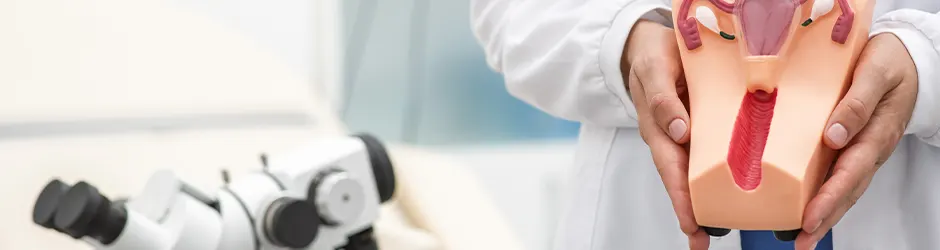
[ What Is Laparoscopy (Minimally Invasive Surgery)? ]
Laparoscopic surgery is a modern surgical technique in which, instead of making large incisions in the abdominal area, a high-resolution camera and thin surgical instruments are inserted through small, 0.5- to 1-centimeter-wide incisions made around the navel.
- Advantages: Since there are no large surgical incisions, postoperative pain is significantly reduced. The hospital stay is shorter (usually 1 day), and the risk of infection and hernia is minimized. Aesthetically, it leaves no noticeable surgical scar.
- Applications: Many gynecological procedures, such as hysterectomy, surgery for ectopic pregnancy, and tubal ligation or reversal, can be safely performed laparoscopically.
[ Approach to Cysts, Fibroids, and Endometriosis ]
- Fibroids (Uterine Myomas): These are tumors that originate in the muscular layer of the uterus and are generally benign. If they cause excessive bleeding, anemia, or pressure on surrounding organs, they are surgically removed (myomectomy). At our clinic, minimally invasive (laparoscopic/hysteroscopic) methods are prioritized based on the size and location of the fibroid.
- Ovarian Cysts: While simple cysts are typically managed with medication, cysts that carry a risk of rupture or torsion, or those suspected of being malignant, are surgically removed.
- Endometriosis (Chocolate Cyst): This condition occurs when the lining of the uterus grows outside the uterus (usually on the ovaries). This condition, which can cause severe pain and infertility, is treated with medical therapy and, when necessary, laparoscopic cyst excision.